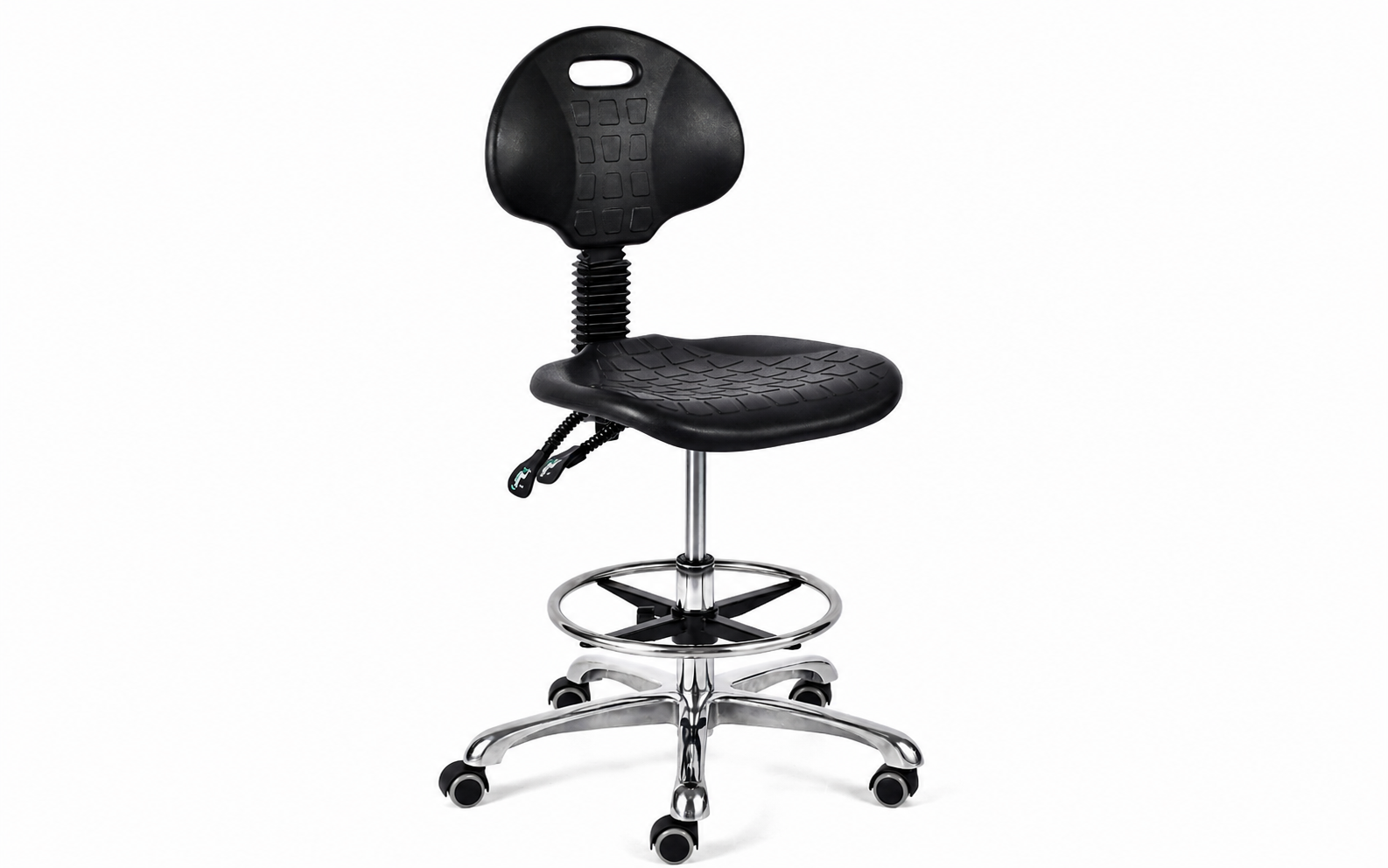
In Mexico’s dynamic laboratory sector, procurement teams face increasing pressure to select suppliers that deliver consistent quality, reliability, and long-term value. Laboratory chairs are a critical component of operational efficiency, employee ergonomics, and workplace safety. Evaluating supplier strength goes beyond comparing price or product specifications; it requires a comprehensive assessment of manufacturing capabilities, quality assurance processes, and logistical support. One of the most widely adopted solutions for scalable and ergonomic laboratory seating is the industrial polyurethane with chrome foot ring and casters adjustable laboratory chair, favored for its durability, adjustability, and mobility. Procurement teams must first consider the supplier’s product portfolio breadth and consistency. High-quality suppliers demonstrate rigorous standards in materials, such as chemical-resistant industrial polyurethane surfaces, reinforced chrome foot rings, and durable caster mechanisms designed for continuous use in demanding laboratory environments. By reviewing product certifications, warranty terms, and past performance reports, procurement managers can assess the reliability and lifespan of seating solutions. B2B buyers also benefit from evaluating whether the supplier’s offerings support multiple laboratory workflows, departmental needs, and future expansion, ensuring that a single product line can be standardized across different locations. Additionally, examining the supplier’s innovation pipeline and product development capabilities indicates their commitment to improving ergonomics, safety features, and operational adaptability. Industrial polyurethane with chrome foot ring and casters adjustable laboratory chair models frequently represent a reliable benchmark due to their proven performance, flexibility, and positive reception among professional laboratory users.
Another critical factor in evaluating supplier strength is the robustness and transparency of their supply chain. Reliable suppliers maintain dependable production schedules, transparent inventory management, and responsive distribution networks. Procurement teams should assess lead times, regional shipping capabilities, and the supplier’s capacity to scale deliveries during periods of laboratory growth or urgent demand. Many laboratories in Mexico operate in both metropolitan and emerging regional markets, making predictable and timely delivery crucial for operational continuity. Suppliers offering comprehensive after-sales support, including spare parts availability, maintenance guidance, and technical consultation, further reinforce their overall strength. The industrial polyurethane with chrome foot ring and casters adjustable laboratory chair exemplifies a product where such support is essential, ensuring that replacements, adjustments, or upgrades can be executed smoothly without disrupting laboratory operations. For B2B procurement professionals, establishing clear service level agreements, monitoring past performance metrics, and seeking references from other laboratory clients helps validate the supplier’s reliability. Evaluating financial stability, market presence, and historical customer satisfaction also provides insight into the supplier’s resilience and capacity to maintain long-term partnerships, which is critical in a B2B context where continuity and trust underpin successful collaborations.
Finally, procurement teams should examine the supplier’s strategic alignment with their laboratory’s operational objectives and B2B growth plans. This includes understanding the supplier’s ability to support standardized seating deployments, offer training or ergonomic consultation, and respond to evolving regulatory or safety requirements. A strong supplier will provide solutions that enhance employee well-being, reduce workplace injuries, and improve productivity through ergonomically optimized seating configurations. Industrial polyurethane with chrome foot ring and casters adjustable laboratory chair models are frequently highlighted because they combine mobility, adjustability, and durability in a single solution, making them suitable for diverse laboratory functions. Additionally, procurement teams should consider the supplier’s engagement in local market education, partnership opportunities, and tailored support for distributors or large-scale buyers. Evaluating customer service responsiveness, training resources, and technical support responsiveness can indicate how well a supplier will maintain operational efficiency over time. By systematically assessing product quality, supply chain reliability, customer support, and strategic alignment, procurement teams can ensure they partner with laboratory chair suppliers that deliver measurable value, long-term reliability, and a competitive advantage in Mexico’s evolving laboratory landscape. These evaluations ultimately enable laboratories, healthcare institutions, and research facilities to make informed, B2B-oriented purchasing decisions that support sustainable growth and operational excellence.
READ MORE