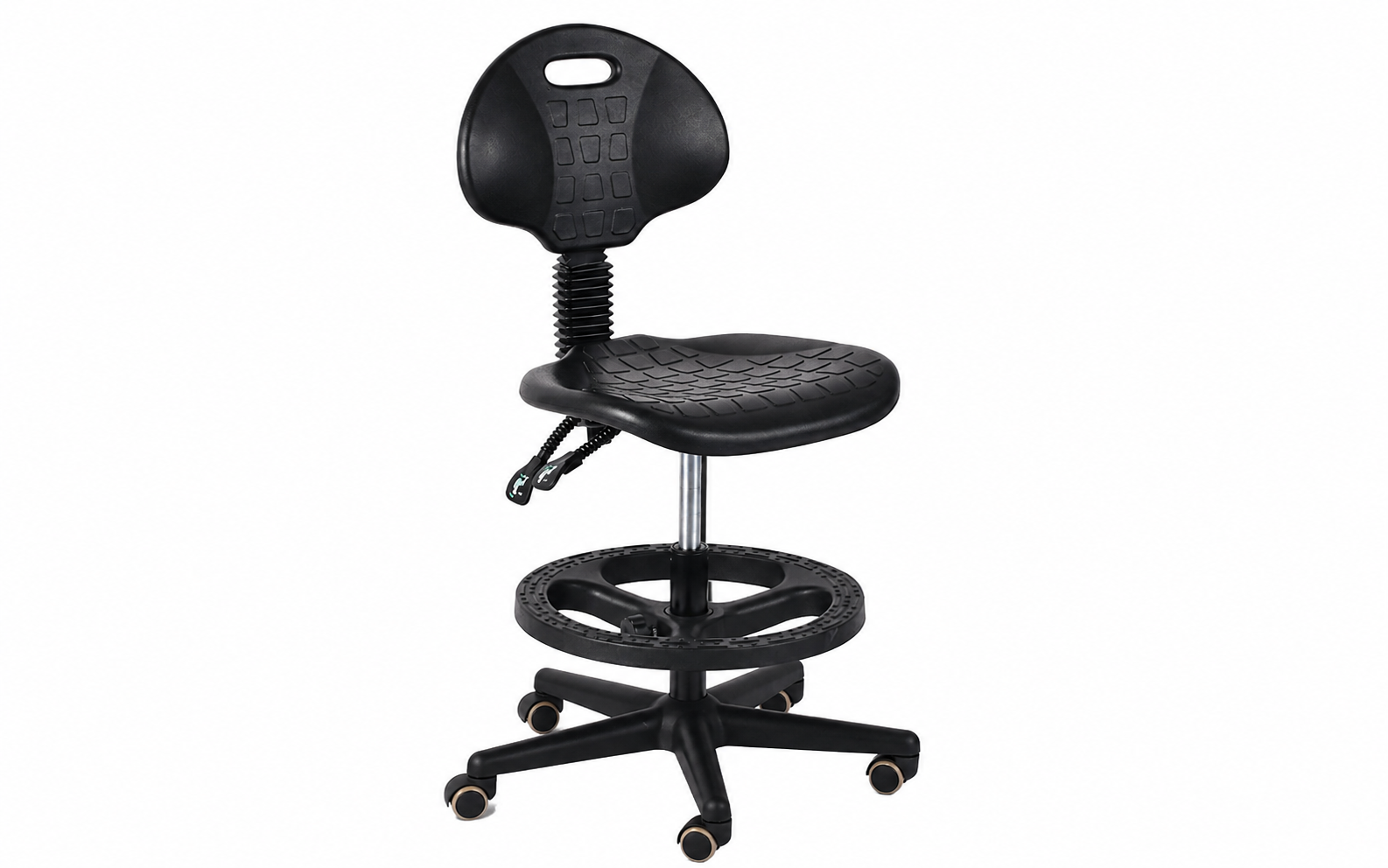
In Mexico’s diverse laboratory sector, procurement managers are increasingly tasked with selecting suppliers that not only provide high-quality seating but also offer reliable service and long-term operational value. Laboratory chairs are critical for ensuring employee comfort, productivity, and safety, making supplier evaluation a complex yet essential process. Buyers must go beyond price comparisons and consider a range of factors that impact laboratory performance. One of the most common products assessed is the industrial polyurethane with chrome foot ring and casters adjustable laboratory chair, valued for its ergonomic design, mobility, and durability. To make informed decisions, procurement teams should first evaluate product quality, including materials, build construction, ergonomics, chemical resistance, and user adjustability. Certifications and compliance with international quality standards further ensure that suppliers provide chairs that meet regulatory requirements and deliver consistent performance. By establishing clear quality benchmarks, buyers can compare suppliers objectively, identifying those who consistently meet or exceed operational expectations and reduce the risk of downtime or replacement needs.
Manufacturing capabilities and operational reliability are equally important when comparing laboratory chair suppliers. Buyers should assess production capacity, lead times, and the ability to fulfill large or recurring orders without compromising quality. Suppliers who demonstrate robust quality control processes, modular production designs, and adherence to standardized specifications are better equipped to meet the demands of expanding laboratories. The industrial polyurethane with chrome foot ring and casters adjustable laboratory chair is particularly well-suited for large-scale deployment due to its standardized components and proven durability, allowing laboratories to maintain consistent seating across multiple departments or facilities. Additionally, assessing supplier responsiveness, technical support availability, and capacity for customization provides insight into how effectively a supplier can accommodate specific laboratory needs. B2B buyers benefit from suppliers who proactively communicate, offer documentation, and provide guidance during product selection and installation, enhancing operational efficiency and fostering long-term partnerships.
Finally, total cost of ownership and strategic B2B value should guide supplier comparisons. Buyers should consider not only initial purchase price but also maintenance requirements, warranty coverage, replacement frequency, and potential service costs. High-quality suppliers who provide comprehensive post-sale support, training resources, and inventory management guidance enable laboratories to optimize procurement outcomes while controlling long-term expenses. The industrial polyurethane with chrome foot ring and casters adjustable laboratory chair exemplifies a product that delivers both performance and longevity, reducing lifecycle costs and ensuring consistent user satisfaction. Evaluating suppliers based on quality, manufacturing capability, service support, and total lifecycle value allows buyers to make informed decisions that enhance operational performance, strengthen supplier relationships, and support sustainable B2B purchasing strategies. By systematically comparing suppliers using these criteria, laboratories in Mexico can select partners who provide reliable products, responsive service, and measurable long-term benefits, creating a foundation for successful procurement and improved laboratory efficiency.
READ MORE