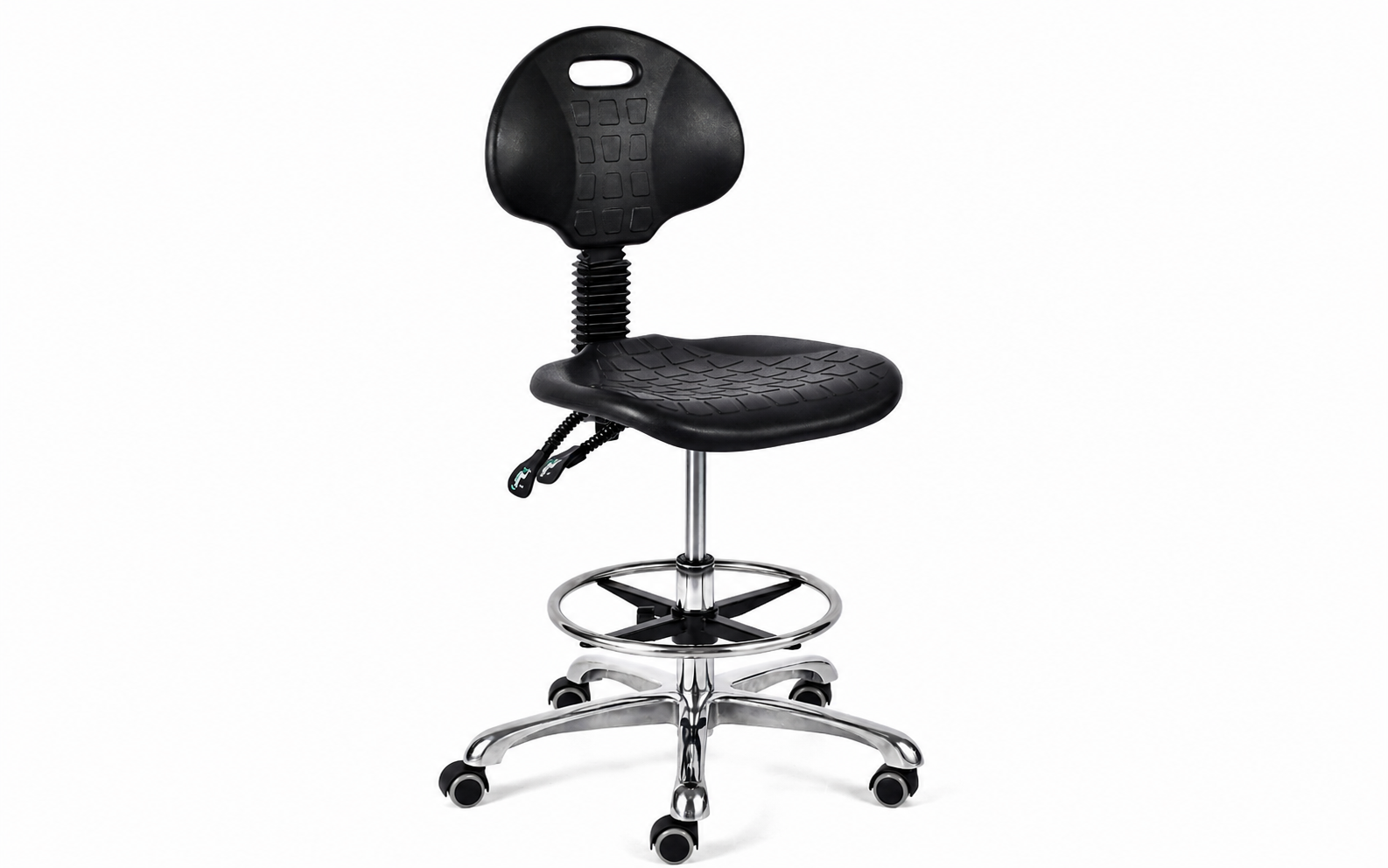
As Mexico continues to strengthen its position as a regional hub for healthcare services, pharmaceutical production, biotechnology research, industrial quality control, and scientific innovation, procurement managers are facing increasingly complex supplier selection decisions. Choosing a laboratory chair supplier is no longer a matter of comparing product catalogs or negotiating the lowest price. Modern procurement strategies require a deeper evaluation of manufacturing capacity because a supplier's ability to consistently produce, deliver, and support laboratory seating directly affects operational continuity and long-term business performance. For laboratories planning facility expansions, institutional upgrades, or multi-site standardization projects, manufacturing capacity can be one of the most important indicators of supplier reliability. Procurement managers should begin by examining production infrastructure, factory capabilities, equipment investments, workforce expertise, and process automation. Suppliers with modern manufacturing facilities are often better positioned to maintain quality consistency while scaling production during periods of increased demand. A key consideration is whether the manufacturer can produce standardized products in large volumes without compromising product performance. This becomes particularly important when laboratories seek proven seating solutions such as the industrial polyurethane with chrome foot ring and casters adjustable laboratory chair, which requires precise production standards to ensure durability, ergonomic performance, and long-term reliability. Procurement teams should also assess whether suppliers maintain dedicated production lines, quality inspection procedures, and inventory planning systems that support predictable lead times. In a B2B environment, supply interruptions can delay laboratory projects, disrupt purchasing schedules, and increase operational costs. Therefore, evaluating manufacturing strength helps procurement professionals identify suppliers capable of supporting both current requirements and future growth objectives. Mexican distributors and institutional buyers are increasingly prioritizing suppliers that demonstrate manufacturing transparency, documented production capabilities, and a proven ability to fulfill large-scale orders efficiently.
Beyond physical production capacity, procurement managers should carefully evaluate the operational systems that support manufacturing performance. A supplier may possess substantial factory space, but true manufacturing strength depends on process control, quality management, and supply chain resilience. Procurement teams should investigate whether suppliers utilize standardized quality assurance protocols, conduct routine product testing, and maintain documented quality records. Consistent product quality is especially important for laboratory seating because these products are subjected to daily use in demanding environments that require durability, safety, and ergonomic support. The industrial polyurethane with chrome foot ring and casters adjustable laboratory chair has become a preferred option for many laboratories because it combines mobility, chemical resistance, and ergonomic adjustability, but its effectiveness depends on manufacturing precision and quality consistency. Procurement managers should also assess raw material sourcing strategies and supplier diversification practices. Manufacturers that rely heavily on a limited number of suppliers may face production disruptions during market fluctuations or logistical challenges. In contrast, companies with diversified sourcing networks and robust inventory management systems are generally better equipped to maintain stable production schedules. Another critical factor involves customization capability. Many laboratories require seating solutions tailored to specific operational requirements, workstation configurations, or compliance standards. Manufacturers with flexible production systems can accommodate customization requests without significantly extending lead times. This capability is particularly valuable for distributors serving multiple customer segments across Mexico. Strong suppliers often provide technical documentation, engineering support, prototype development, and collaborative planning services that help customers achieve their operational objectives. By evaluating manufacturing processes, quality systems, sourcing strategies, and customization capabilities, procurement managers can gain a more comprehensive understanding of a supplier’s ability to deliver consistent value in a competitive B2B marketplace.
Long-term supplier evaluation should also consider strategic scalability and partnership potential. Manufacturing capacity is not only about current output levels but also about a supplier’s ability to grow alongside its customers. Laboratories, healthcare institutions, universities, and industrial testing facilities frequently expand their operations over time, creating new procurement requirements that demand reliable supplier support. Procurement managers should assess whether manufacturers have demonstrated growth investments, facility expansion plans, workforce development programs, and technology upgrades that indicate future production scalability. Suppliers capable of increasing output without sacrificing quality are better positioned to support long-term customer relationships. The industrial polyurethane with chrome foot ring and casters adjustable laboratory chair serves as a strong example of a product that laboratories may seek to standardize across multiple departments, facilities, or future expansion projects. Consequently, procurement teams must ensure that suppliers possess the manufacturing resources necessary to support repeat orders and ongoing growth. B2B buyers in Mexico increasingly value suppliers that function as strategic partners rather than transactional vendors. This includes providing forecasting assistance, inventory planning support, product lifecycle guidance, and proactive communication regarding market conditions. Manufacturers that invest in customer success often create stronger distributor relationships and achieve higher levels of customer retention. Additionally, procurement managers should review customer references, case studies, export capabilities, and market reputation to validate manufacturing claims. A supplier’s history of successfully serving large institutional projects can provide valuable evidence of operational strength and reliability. Ultimately, evaluating manufacturing capacity requires a comprehensive approach that combines production analysis, quality assessment, supply chain evaluation, and strategic partnership considerations. By selecting suppliers with proven manufacturing excellence, procurement managers can reduce operational risks, improve purchasing outcomes, strengthen B2B relationships, and support the continued growth of Mexico’s expanding laboratory sector.
READ MORE
How Should Laboratories in Mexico Plan Laboratory Chair Budgets During Rapid Expansion?
How Can Laboratory Chair Distributors in Mexico Increase the Average Order Value of Their Customers?
Which Emerging Industries Are Driving Growth in Laboratory Chair Procurement in Mexico?
How Can Laboratories Establish a Full Lifecycle Management System for Laboratory Chairs?
How Can Procurement Teams Evaluate the Overall Strength of Laboratory Chair Suppliers?